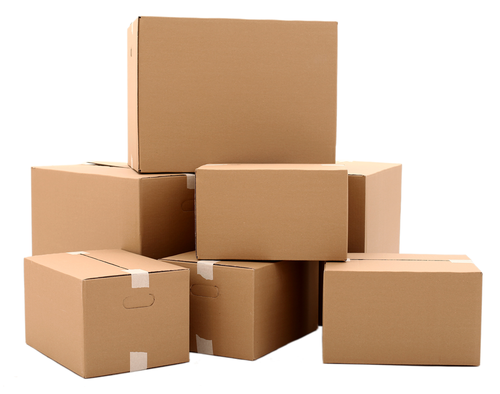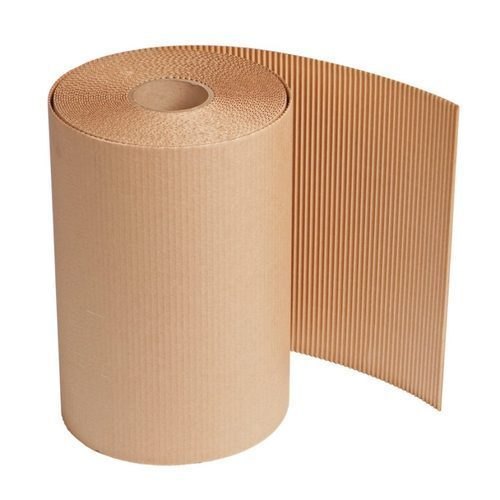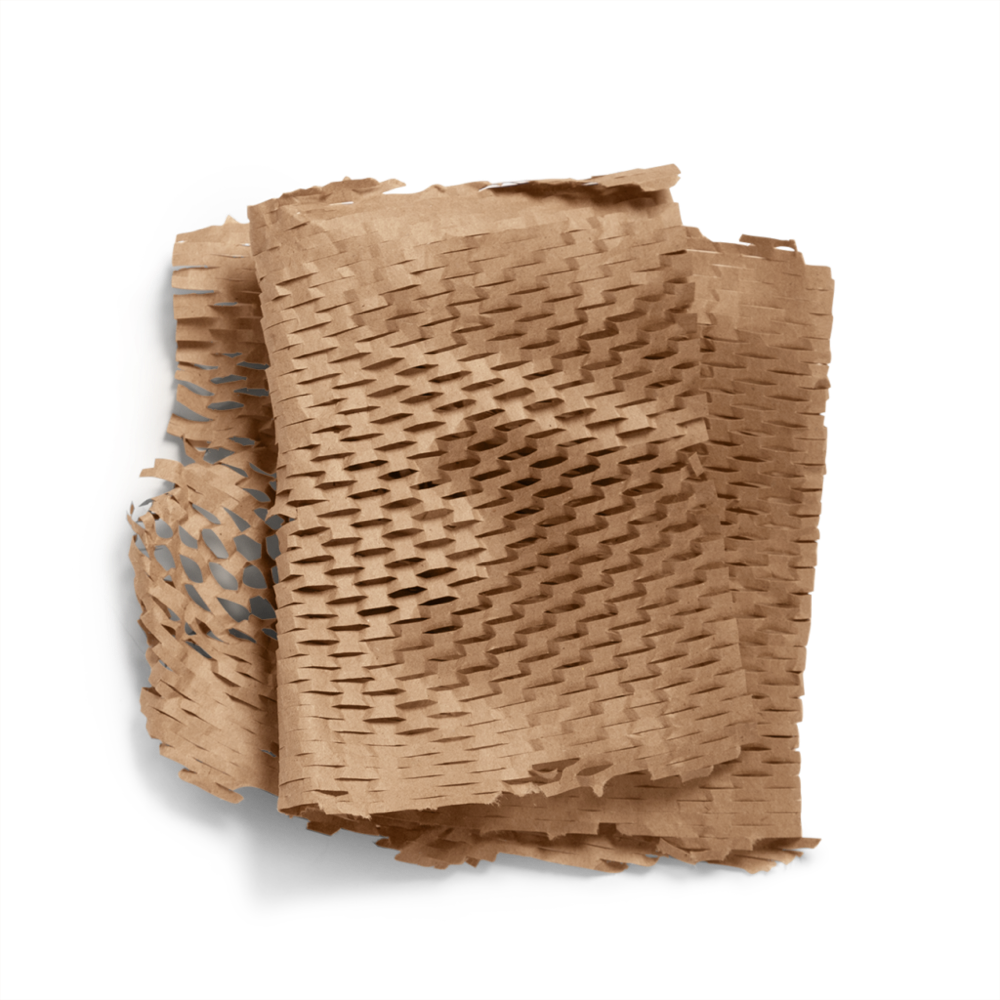
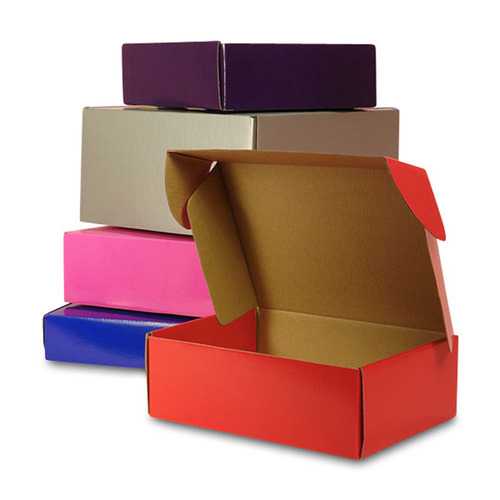
"Wall" in corrugated packaging refers to how many fluted layers sit inside the board. The choice between single, double and triple wall is fundamentally a trade-off between protection, weight and cost — and getting it right keeps your products safe without padding your packaging bill.
Single wall
One fluted layer between two liners. This is the most common construction and covers the vast majority of everyday shipping needs.
- Use it for: retail goods, e-commerce orders, light to medium products, FMCG.
- Strength: good for most stacking and handling.
- Cost: the most economical option.
If your product is reasonably light and isn't stacked extremely high, single wall is almost always the right starting point.
Double wall
Two fluted layers between three liners. Roughly twice the puncture and stacking resistance of single wall.
- Use it for: heavier products, export shipments, items stored long-term in tall stacks, automobile components.
- Strength: significantly higher burst and edge-crush values.
- Cost: more material, but often cheaper than the damage it prevents.
Double wall is the sweet spot for export and industrial shipping — strong enough for rough international supply chains while still being far lighter and cheaper than a wooden crate.
Triple wall
Three fluted layers — an extremely rigid board that can replace timber crates in many applications.
- Use it for: machinery, engine parts, bulk industrial goods, loads up to several hundred kilograms.
- Strength: crate-like rigidity and stacking strength.
- Cost: highest of the three, but lighter and more recyclable than wood, with lower freight cost.
Many manufacturers switch from wooden crates to triple wall specifically to cut shipping weight, eliminate fumigation paperwork (ISPM-15) for exports, and improve recyclability.
A simple selection framework
Ask three questions:
How heavy is the packed product?
- Up to ~15 kg → single wall
- ~15–40 kg → double wall
- 40 kg+ / industrial → triple wall
How is it stored and shipped? Tall stacking, long storage and export all push you up a level.
What's the cost of failure? Expensive or hard-to-replace contents justify a stronger board and a safety margin.
Don't over-engineer
It's tempting to "just use the strongest board" — but excess board adds weight (and freight cost), uses more material, and can be over-spec for the job. The goal is the lightest construction that reliably protects the product across its real journey.
That's exactly what our packaging engineers solve for. Tell us about your product and we'll specify the most cost-effective board that still keeps your goods safe.